




Book
The History of the Decline and Fall of the Roman Empire
604 pages · 2015 · Rating 4.6
We earn a small commission if you buy. It never changes a grade.
Key takeaways
The Importance of Strong Leadership
Edward Gibbon emphasizes the role of leadership in the rise and fall of the Roman Empire. He suggests that the decline was largely due to weak and ineffective leadership. This is a reminder for us to always strive for strong, ethical leadership in our own lives and communities.
The Impact of Military Overreach
Gibbon's research shows that the Roman Empire's military overreach played a significant role in its downfall. The empire spread itself too thin, leading to a weakened defense and eventual collapse. This is a lesson for us to not overextend ourselves in our personal and professional lives.
The Role of Religion
In The History of the Decline and Fall of the Roman Empire, Gibbon explores the impact of Christianity on the empire's decline. He suggests that the shift in religious focus led to a decline in civic duty. This encourages us to consider the role of religion and belief systems in our own societies.
The Consequences of Social Decay
Gibbon points out that social decay was a significant factor in the fall of the Roman Empire. He highlights the importance of social cohesion and shared values in maintaining a strong society. This is a call for us to foster unity and shared values in our own communities.
The Power of Historical Lessons
By taking a look at the decline and fall of the Roman Empire, we can learn valuable lessons about leadership, military strategy, religion, and social cohesion. Gibbon's book encourages us to learn from history to avoid repeating the same mistakes in our own societies.
Who recommends The History of the Decline and Fall of the Roman Empire
2
About this book
- Author
 Edward Gibbon
- Pages
- 604
- Edition
- 2015
- Summary
- This work has been selected by scholars as being culturally important and is part of the knowledge base of civilization as we know it.
This work was reproduced from the original artifact and remains as true to the original work as possible.
Therefore, you will see the original copyright references, library stamps (as most of these works have been housed in our most important libraries around the world), and other notations in the work. This work is in the public domain in the United States of America, and possibly other nations. Within the United States, you may freely copy and distribute this work, as no entity (individual or corporate) has a copyright on the body of the work. As a reproduction of a historical artifact, this work may contain missing or blurred pages, poor pictures, errant marks, etc.
Scholars believe, and we concur, that this work is important enough to be preserved, reproduced, and made generally available to the public.
Quotes
What people have said about The History of the Decline and Fall of the Roman Empire.
I set out upon Gibbon's Decline and Fall of the Roman Empire [and] was immediately dominated both by the story and the style. I devoured Gibbon.
 Winston ChurchillBritish Prime Minister
Gibbon's work is a masterpiece of historical investigation and stylistic grandeur. It is a book that breathes the spirit of the Enlightenment.
 Harold BloomLiterary Critic
Gibbon's work is a resource of historical knowledge, which I read with pleasure and instruction.
 Thomas JeffersonAmerican President
Gibbon's Decline and Fall of the Roman Empire has been a model for my own work in science fiction.
 Isaac AsimovScience Fiction Author
Gibbon's Decline and Fall is a book that I always return to. It is a source of endless fascination and inspiration for me.
 Jorge Luis BorgesArgentinian Writer
If you liked The History of the Decline and Fall of the Roman Empire
The Death and Life of Great American Cities
4 readers · Rating 4.7
The Tiger
4 readers · Rating 4.5
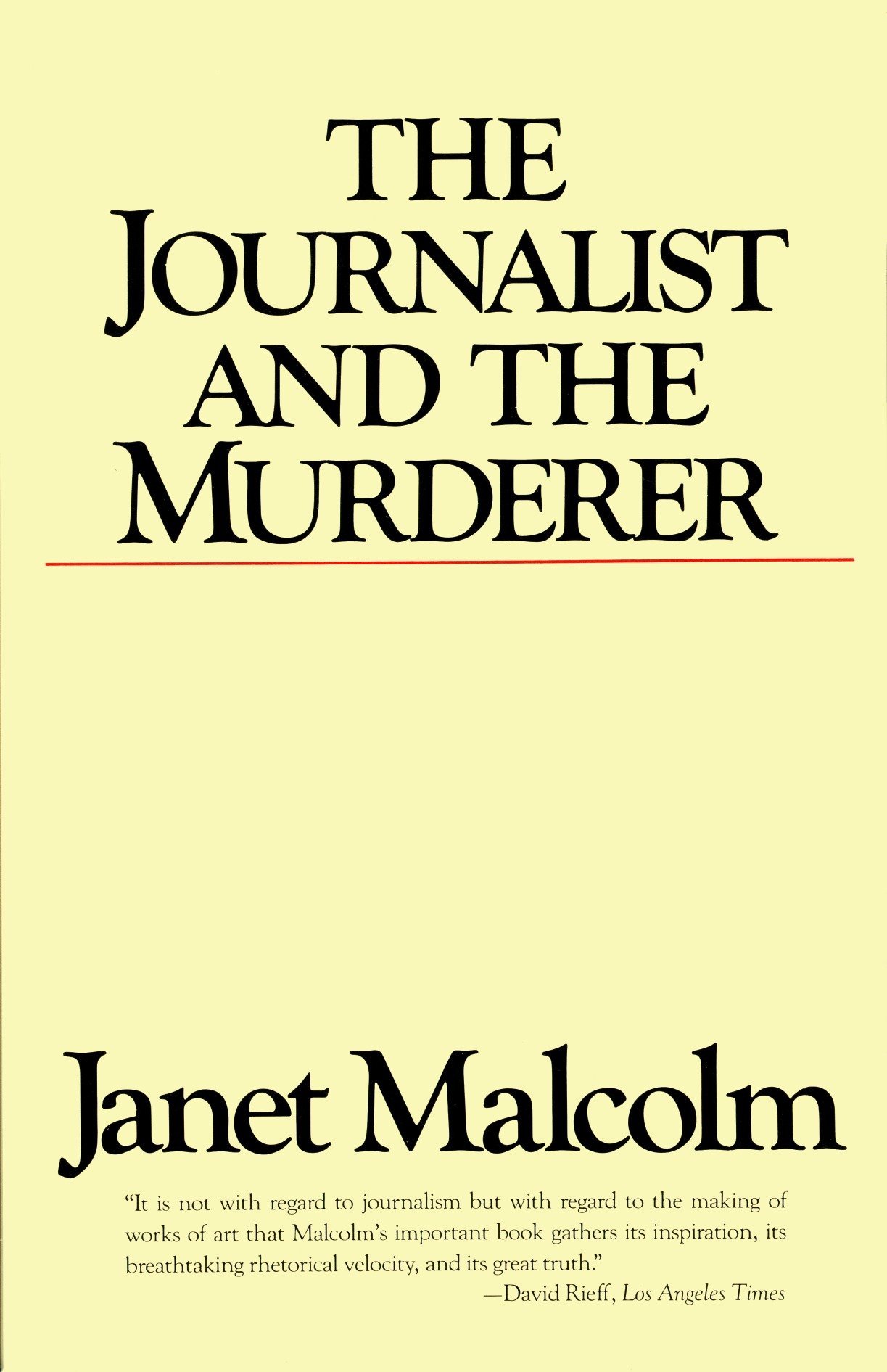
The Journalist And The Murderer
4 readers · Rating 4.1
The Guns of August
3 readers · Rating 4.6
The Library Book
3 readers · Rating 4.3
The Warmth of Other Suns
2 readers · Rating 4.8
The Loom of Language
2 readers · Rating 4.7
Battle Cry of Freedom
2 readers · Rating 4.7




In reading lists
More books from these readers
Other books recommended by readers who recommend this one.